
Item added to your cart


Discover how a healthier, more balanced lifestyle.
Redefine your routine with fast absorption and real results.
Embrace the support of clinically-backed ingredients you can trust.
Embrace the support of premium quality for daily health support.
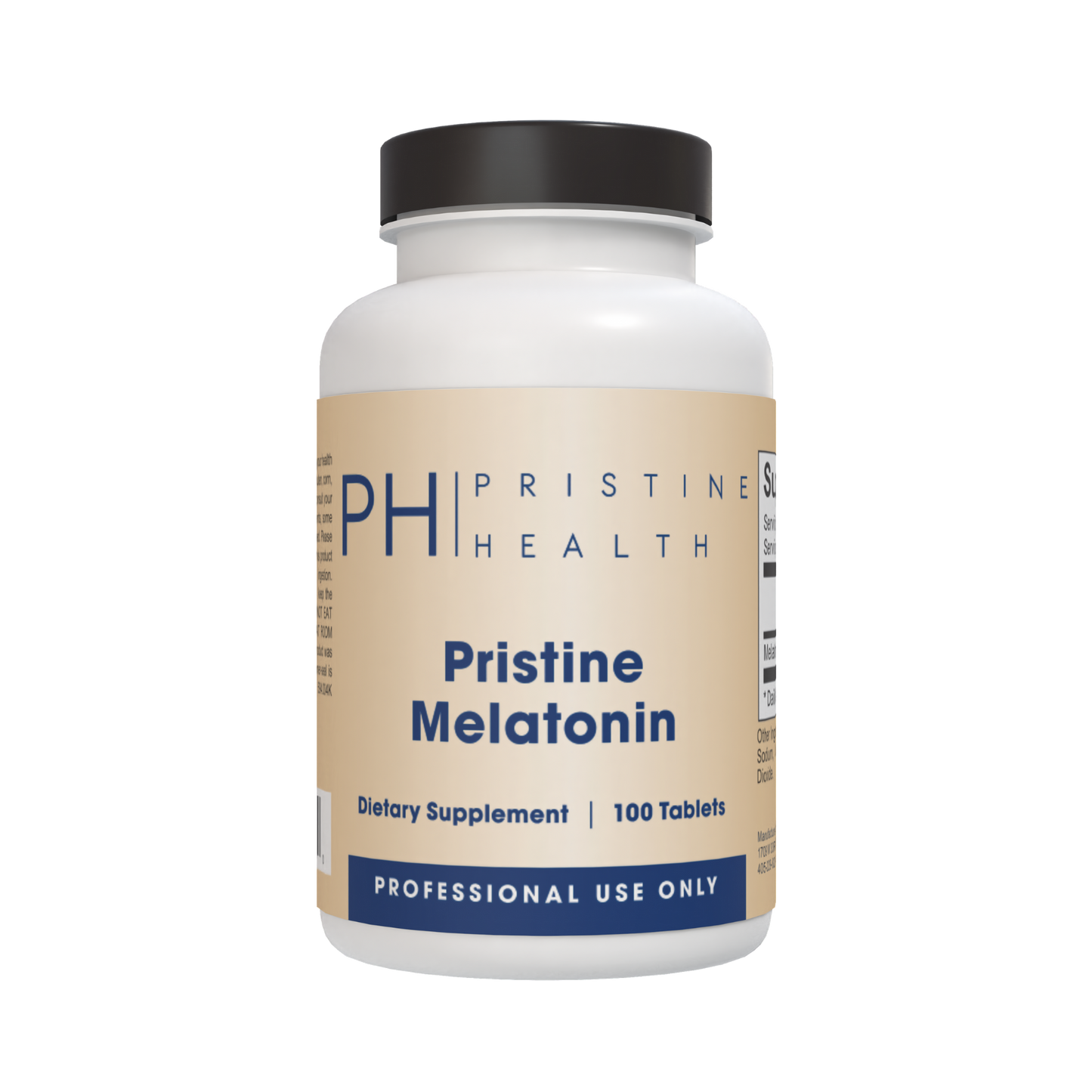
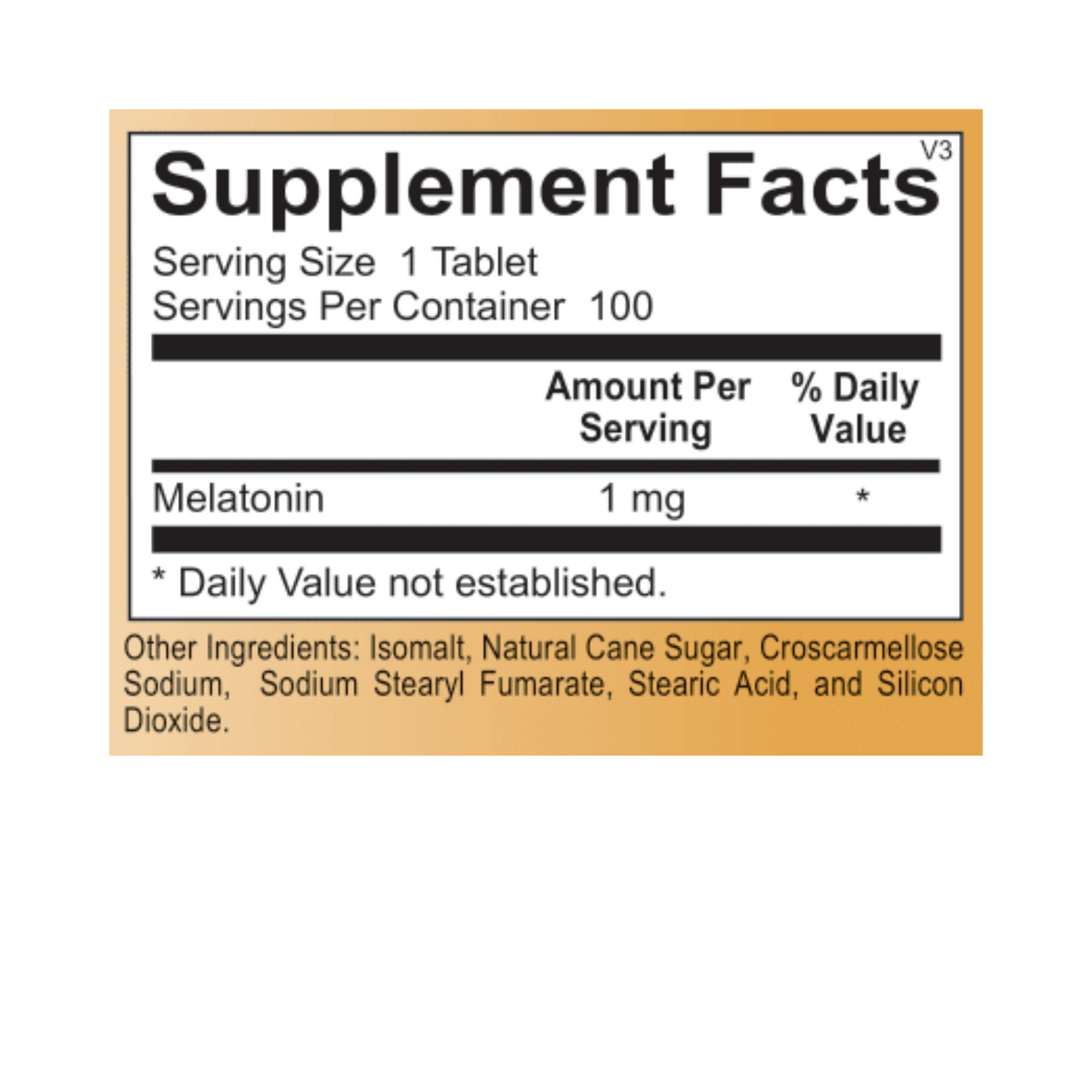
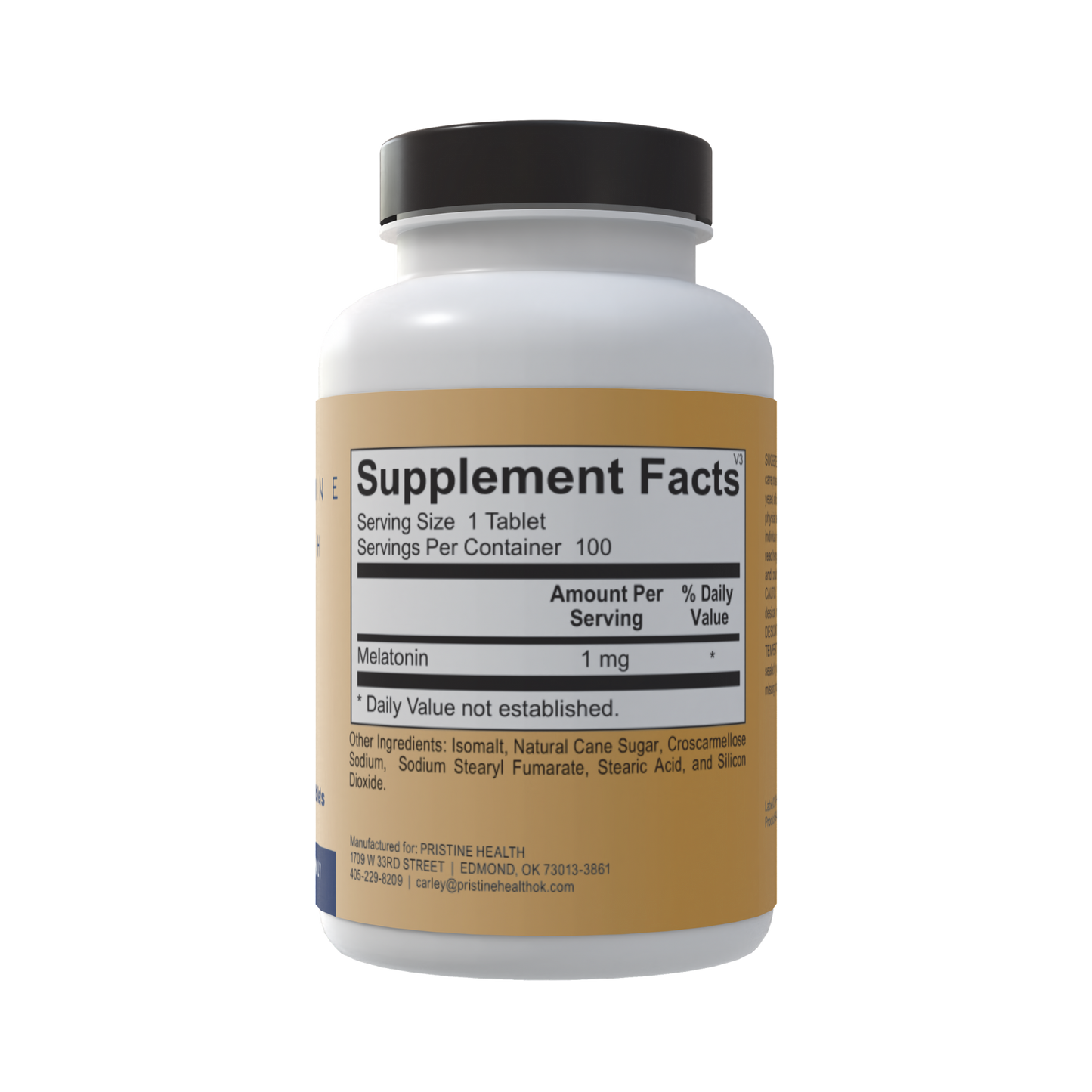
Melatonin is produced primarily in the pineal gland but also the bone marrow, platelets, GI tract, eyes, skin, and lymphocytes. Its chemical precursor is serotonin, a neurotransmitter derived from tryptophan. Serotonin must be acetylated and methylated to form melatonin. Synthesis and production of melatonin are affected by light exposure to the eyes; serum concentrations of melatonin are typically low during the day hours and increase when dark. Since it has important effects on circadian rhythms, melatonin has been reported to have significant effects on sleep-wake cycles and antioxidant function.
